MACH NUMBERS
Speed divided by sound
NASA defines Mach as the object's speed divided by the speed of sound. Below 1 is subsonic, 1 to 3 supersonic, above 5 hypersonic.
The speed bands
 doodlesonic
SUPERSONIC FLIGHT, PLAINLY
MACH 1 ≈ 761 mph at sea level
Mach 1 is the speed of sound.
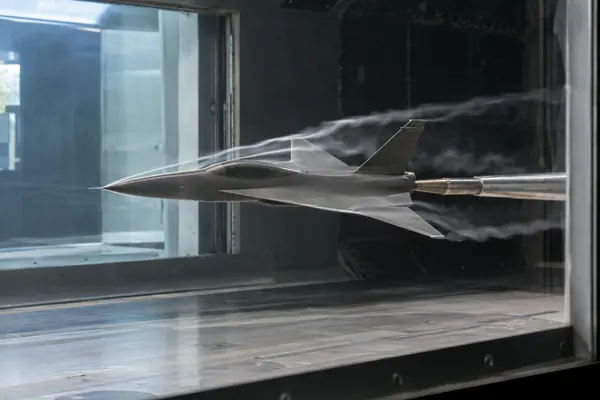
Fly faster than that and the air cannot get out of the way in time. Shock waves form, trail behind the aircraft as a cone, and sweep the ground below as a sonic boom.
Updated
Compare the boomsTHE SHORT ANSWER
The sound barrier is not a wall.
It is a change in how air flows.
MACH NUMBERS
NASA defines Mach as the object's speed divided by the speed of sound. Below 1 is subsonic, 1 to 3 supersonic, above 5 hypersonic.
The speed bandsSONIC BOOMS
A supersonic aircraft drags a cone of compressed air behind it. The boom is heard all along the flight path, not just at the moment it passes Mach 1.
Compare the boomsCONCORDE
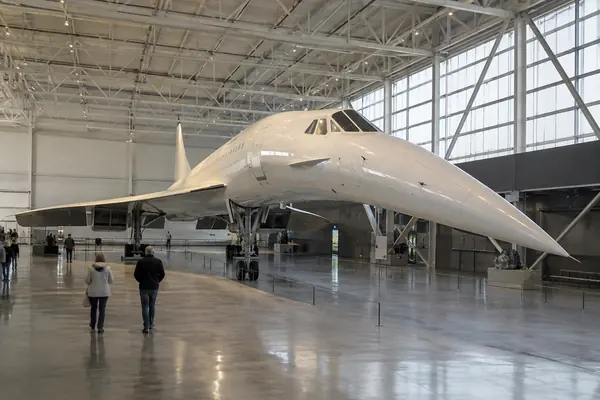
Concorde cruised at Mach 2, up to 60,000 feet. A typical London to New York flight took about 3 hours 20 minutes, against 7 hours in a Boeing 747.
Concorde's storyA QUICK BOOM CHECK
Pick an aircraft to see the extra air pressure its boom brought to the ground, in pounds per square foot (psf). The bar shows how strong it was.
Figures from a NASA Dryden fact sheet on sonic booms. Normal air pressure at sea level is about 2,116 psf.
TWO NUMBERS WORTH KNOWING
One figure on how far a boom spreads,
one on what supersonic speed bought.
≈ 1mile per 1,000 ft
Width of ground hearing the boom
NASA says the boom carpet is about one mile wide for every 1,000 feet of altitude, so an aircraft at 50,000 feet can produce a cone about 50 miles wide.
BOOM CARPET · NASA
3h 20min
A typical Concorde crossing
About 3 hours 20 minutes, compared with 7 hours for a Boeing 747. The record, New York to London on 7 February 1996, was 2 hours 52 minutes 59 seconds.
LONDON TO NEW YORK · DESIGN MUSEUM
The speed of sound depends on the air's temperature, so Mach 1 is not one fixed speed. On the X-59's first supersonic flight, Mach 1.1 at 43,400 feet was about 713 mph, less than the 761 mph of Mach 1 at sea level.
FOUR SPEED BANDS
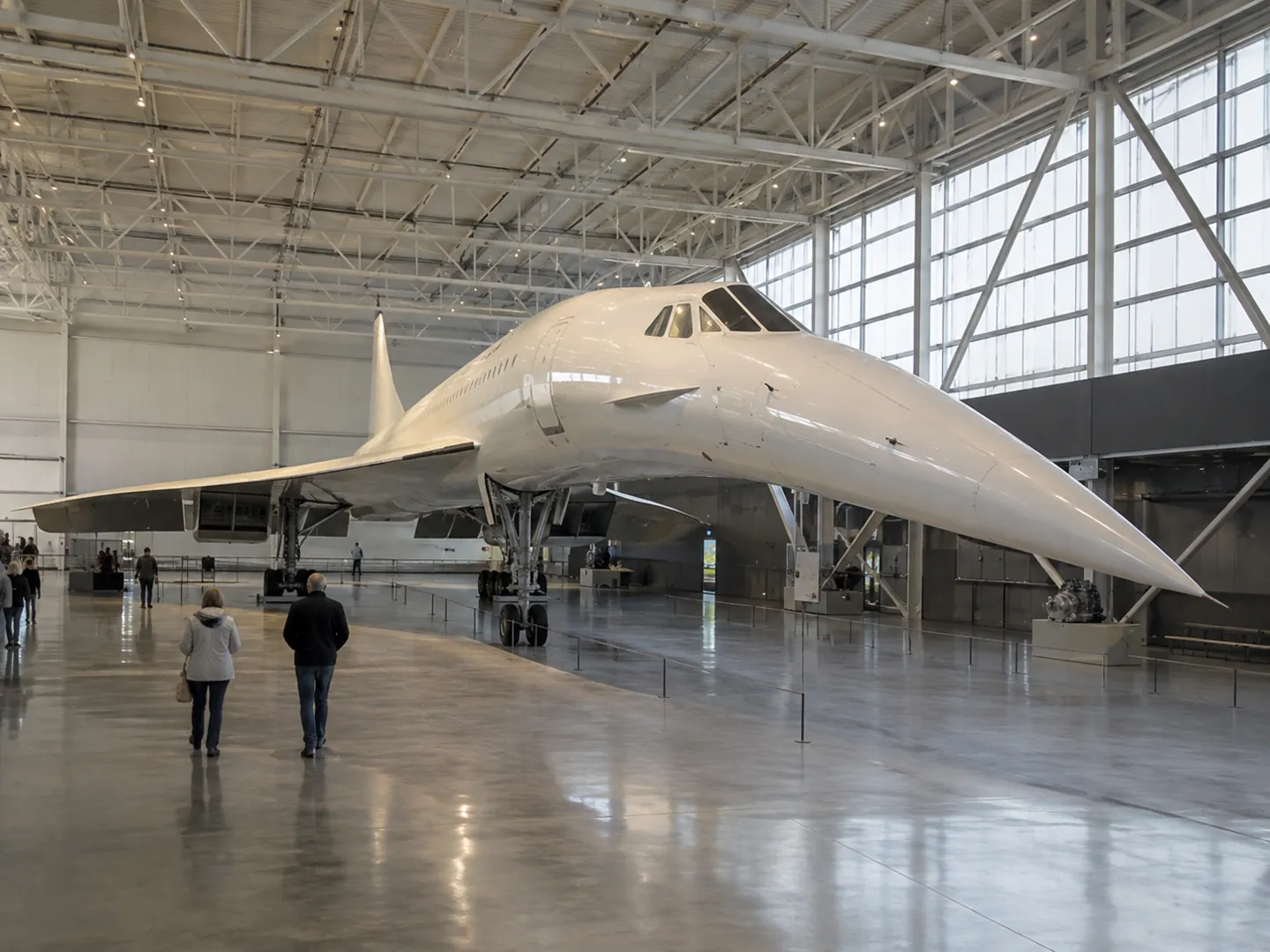
Engineers sort flight by Mach number because the air behaves differently in each band. These are the ranges NASA uses.
At the lowest subsonic speeds, NASA says the squeezing of the air can be ignored. Effects start to show above roughly 250 mph.
The aircraft is close to the speed of sound, and air flowing over parts of it can already go faster than sound.
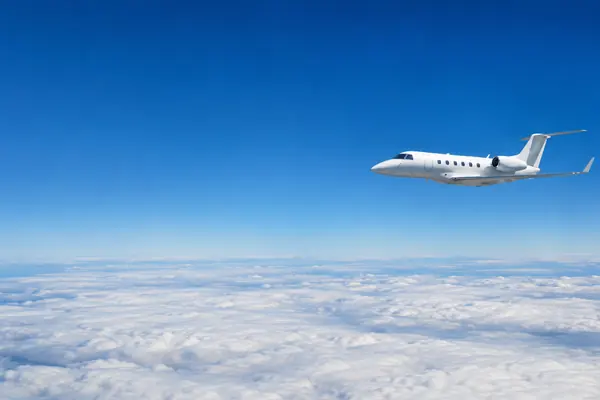
Shock waves form. Concorde cruised here at Mach 2, and from Mach 3 to 5 heating from the air becomes a big problem.
So fast that the air's chemistry has to be taken into account. NASA gives the Space Shuttle's re-entry speed as about Mach 25.
CONCORDE AND AFTER
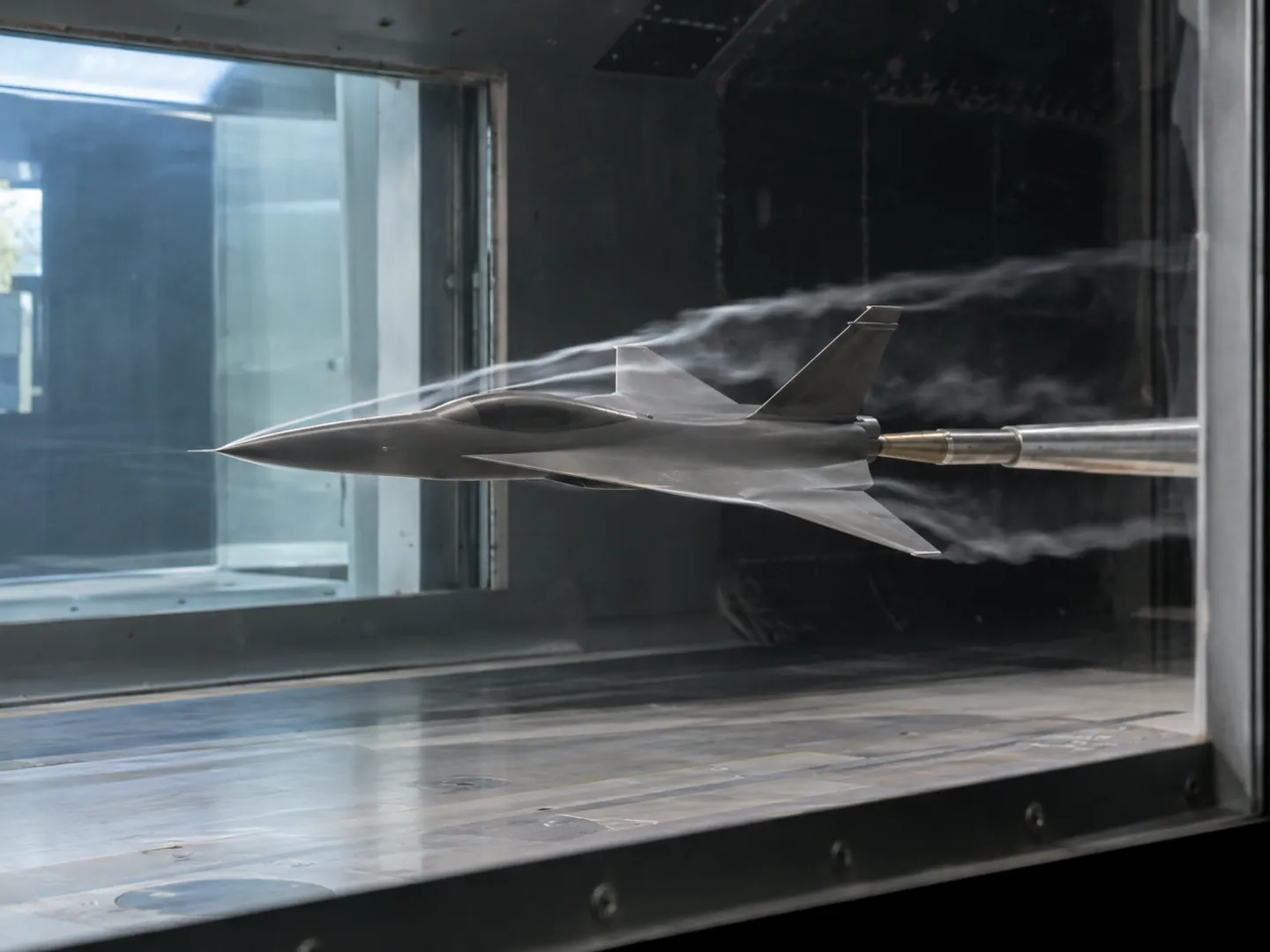
Concorde first flew from Toulouse on 2 March 1969 and went supersonic on 1 October 1969. Twenty were built by British and French companies, and passenger flights began on 21 January 1976. Noise worries limited where it could land, and the last commercial flight was on 24 October 2003.
NASA's X-59 is designed to fly supersonic with a much softer thump than a normal boom. It first flew faster than sound on 5 June 2026, at Mach 1.1. Flights over US communities are planned to ask people on the ground how it sounds, to help set noise limits for supersonic flight over land.
Questions
Mach 1 is the speed of sound. NASA defines the Mach number as an object's speed divided by the speed of sound, so Mach 2 is twice the speed of sound in the surrounding air.
On a standard day at sea level, NASA gives about 761 mph, or 1,100 feet per second. It depends on the air's temperature, so it changes with altitude.
No. The boom travels with the aircraft for as long as it flies supersonic, sweeping a carpet of ground about one mile wide for every 1,000 feet of altitude.
Every aircraft makes two shock cones, one at the nose and one at the tail. Most people hear them as one boom, but large vehicles like the Space Shuttle make two easily distinguishable booms.
Rarely. NASA's fact sheet says 1 to 2 psf is typical for supersonic aircraft, rare minor damage can occur at 2 to 5 psf, and structures in good condition have shown no damage at up to 11 psf in tests.
Sources
ABOUT THIS NAME
doodlesonic.com is part of the DoodleSale portfolio. It isn't in an auction right now, but you can ask about leasing it.